Fuente:
http://www.godchecker.com/pantheon/norse-mythology.php?deity=ODIN&ds=NInformación:
Gods from Norse Mythology...
 ODIN
Also known as GANGLERI, ODINN, OTHINN, VAK, VALTAMODIN: The Norse Biggy. ODIN is Father of the Gods, King of ASGARD, Ruler of the AESIR and the Lord of War, Death and Knowledge.
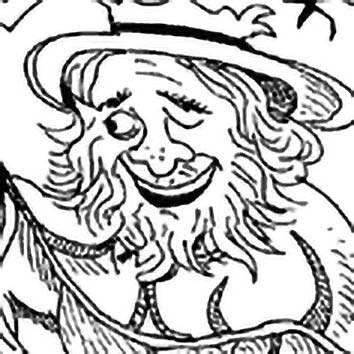
To travel the world without being recognised, he wears a huge wide-brimmed hat. He also — thanks to
LOKI — rides an eight-legged horse named
SLEIPNIR into battle. All he needs is a six-shooter and a sheriff's badge to be able to stand in for John Wayne in True Grit. His biggest fans include the Berserkers, which should give you some idea.
He's also very hot on Knowledge and Military Intelligence, having two ravens, Huginn and Muninn, who fly around the world every day bringing up-to-date reports.
ODIN himself has only one eye, having traded the other one for a sip from
MIMIR's Well of Wisdom during his visit to the great World Tree
YGGDRASIL. Consequently he's full of knowledge, while his missing eye is hidden in an unknown location care of
MIMIR the Talking Head. The eye enabled
MIMIR to focus on far-distant events, allowing
ODIN the ability to always see far ahead.
To become the Top Wise Guy,
ODIN put himself through some incredibly rigorous ordeals. The Well of Wisdom lies under the second root of
YGGDRASIL, which allows the Dew of Knowledge to seep into it. So
ODIN stabbed himself with his own spear and hung himself on the tree for nine days and nights. He was then allowed a peep, and saw magic runes appear on rocks beneath him.
With a superhuman effort he struggled to lift them, which must have been quite an acrobatic feat. Running his eye over the mystic symbols, he was instantly freed of all encumbrances; restored and rejuvenated with everlasting vigour enabling him to drop lightly to the ground.
His ordeal accomplished,
ODIN was at last able to take a well-deserved swig from
MIMIR's well, making him well-wise as well as wise. It was even tastier than his usual tipple Kvas, the Mead of Inspiration, a special brew made from the blood of
KVASIR.
If you think a wise one-eyed Norse cowboy on an eight-legged horse would be easy to recognise, this ain't necessarily so for
ODIN is a shape-changer, and his range of disguises make Sherlock Holmes look like Miss Marple. He also travels incognito under a variety of false names.
Sharing primeval God status with brothers
VE and
VILI, the Great
ODIN helped bring the world as we know it into being, so we can forgive his little foibles. The legend tells that in the ice-laden wastes of
NIFLHEIM, he got into a rather catastophic snowball fight with
YMIR, the king of the
FROST-GIANTS. The Abominable Snowgiant was slashed into pieces and
ODIN made the world from all the bits. He even found a use for the eyebrows.
ODIN's dad is
BOR, son of
BURI, son of an ice cube. Married to
FRIGG (with the occasional Freya fling and flirtation with
RIND), the family firm includes
BALDUR,
HOD,
HERMOTH,
THOR and
VIDAR. See also
WODEN.




 Entradas








